Custom light box signs are a popular signage solution for businesses looking to improve visibility, strengthen brand recognition, and create an attractive storefront. Whether installed outside retail stores, restaurants, offices, or commercial buildings, these illuminated signs help businesses stand out during the day and night. However, the cost of custom light box signs can vary depending on several important factors, including size, materials, lighting technology, design complexity, and installation requirements.
For businesses in Brampton, understanding these factors is essential when planning an effective signage investment. Choosing the right combination of materials, illumination, and customization can help businesses achieve a professional appearance while ensuring durability and long-term performance. This guide explores the key elements that influence the cost of custom light box signs in Brampton and explains how businesses can make informed decisions when selecting illuminated signage.
Understanding Custom Light Box Signs and Their Value
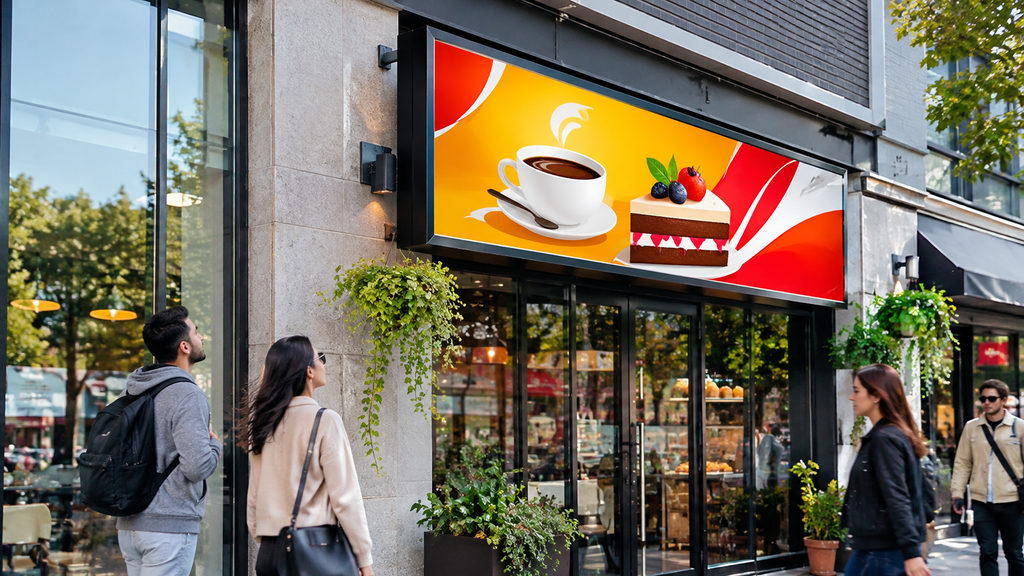
Custom light box signs are illuminated displays designed to showcase business names, logos, promotional graphics, and other branding elements. They typically feature a durable frame, a translucent sign face, and an internal lighting system that makes the display visible in different lighting conditions.
Unlike standard non-illuminated signs, light box signs offer enhanced visibility during evenings, cloudy weather, and nighttime hours. They can be customized in various shapes, sizes, colours, and illumination styles to match specific branding requirements.
The overall cost of a custom light box sign depends on the materials, manufacturing process, electrical components, and installation conditions involved. Understanding these elements helps businesses select signage that balances visual appeal, functionality, and long-term value.
9 Key Factors That Influence the Cost of Custom Light Box Signs
1. Size and Dimensions of the Light Box Sign
The size of a light box sign is one of the most significant factors affecting its overall cost. Larger signs generally require more materials, additional lighting components, stronger frames, and greater manufacturing effort.
A compact illuminated sign designed for a small storefront will have different production requirements than a large commercial light box sign installed on a building exterior.
Businesses should consider viewing distance, available installation space, and the amount of information displayed when selecting sign dimensions. Choosing an appropriate size helps maintain readability without adding unnecessary complexity.
2. Materials Used in Sign Construction
The materials selected for a custom light box sign directly influence its durability, appearance, and manufacturing requirements.
Common materials include aluminum, acrylic, polycarbonate, and other specialized sign-making components. Aluminum is frequently used for frames because it is lightweight and corrosion-resistant, while acrylic provides a smooth surface for illuminated graphics.
Premium finishes, thicker panels, and specialized protective coatings may increase production complexity. For outdoor businesses in Brampton, selecting materials suitable for seasonal temperature changes, moisture, and sunlight is particularly important.
3. Type and Quality of LED Illumination
Lighting technology plays an important role in determining the cost and performance of illuminated signs. Most modern light box signs use LED modules because they provide bright illumination and generally consume less energy than traditional fluorescent lighting systems.
The number of LED modules, lighting arrangement, brightness requirements, and component quality can affect manufacturing costs.
Signs requiring uniform illumination across large surfaces may need additional LED modules or specialized light-diffusing materials. High-quality lighting components can also contribute to longer operating life and more consistent brightness.
4. Custom Design and Branding Requirements
Every business has unique branding needs, and the complexity of a sign’s design can influence its production requirements.
Simple rectangular light box signs with standard lettering are generally easier to manufacture than signs featuring custom shapes, detailed graphics, multiple colours, or unusual dimensions.
Businesses may also require specific fonts, logos, decorative finishes, or branded colour combinations. These design elements can involve additional preparation, fabrication, and finishing processes.
For Brampton businesses looking to create distinctive storefront signage, thoughtful customization helps improve brand recognition and visual appeal.
5. Single-Sided vs. Double-Sided Light Box Signs
The number of illuminated display faces can affect the overall construction and manufacturing requirements.
Single-sided light box signs are commonly mounted directly against building walls or storefront surfaces. They display graphics on one side and are suitable for businesses where customers primarily approach from the front.
Double-sided light box signs display graphics on both sides, making them useful for businesses located along pedestrian walkways, shopping plazas, and commercial streets.
Double-sided signs may require additional sign faces, structural components, and mounting hardware. Their installation requirements can also differ depending on how they project from a building.
6. Indoor vs. Outdoor Installation Requirements
The intended installation environment is another important factor influencing light box sign costs.
Indoor light box signs are generally protected from direct exposure to rain, snow, wind, and extreme temperatures. As a result, they may require fewer weather-protection features.
Outdoor light box signs must be constructed using suitable materials, protective enclosures, and appropriately rated electrical components.
For businesses in Brampton, outdoor signage should be designed to withstand local seasonal conditions. Weather-resistant construction, protective finishes, and properly installed electrical connections can influence both manufacturing and installation requirements.
7. Installation Location and Accessibility
Installation requirements can significantly affect the overall scope of a custom light box sign project.
Signs installed at ground level or in easily accessible locations may require relatively straightforward mounting procedures. However, signs positioned high on commercial buildings or in difficult-to-reach areas can require specialized equipment and additional installation planning.
Factors such as wall structure, mounting height, electrical access, and site conditions also influence installation complexity.
For businesses in multi-unit commercial plazas, property management requirements and existing sign structures may need to be considered before installation.
8. Electrical Components and Wiring Requirements
Because light box signs rely on internal illumination, electrical components are an essential part of their construction.
LED drivers, power supplies, wiring, switches, and electrical connections must be selected according to the sign’s design and installation environment.
Some projects may require new electrical connections or modifications to existing infrastructure. The distance between the sign and its power source can also influence installation requirements.
Using suitable electrical components and qualified installation professionals helps support safe, reliable performance.
9. Maintenance and Long-Term Durability
The initial production and installation requirements are only part of the overall investment in custom light box signage.
Businesses should also consider maintenance accessibility, component quality, and expected operating conditions.
Signs manufactured using durable materials and reliable LED lighting may require fewer unexpected repairs over time. Accessible sign faces and replaceable lighting components can also simplify future maintenance.
Choosing appropriate materials and construction methods helps businesses maintain a professional storefront appearance while supporting long-term signage performance.
How Different Types of Light Box Signs Affect Project Requirements
Different light box sign styles involve varying fabrication methods, lighting arrangements, and installation needs.
LED Cabinet Light Box Signs
LED cabinet signs feature an enclosed frame with an illuminated display face. Their manufacturing requirements depend on cabinet depth, dimensions, lighting configuration, and graphics.
Slim Light Box Signs
Slim light box signs feature a thinner profile and are commonly used for indoor promotional displays, menu boards, and commercial interiors. Their construction may require specialized lighting arrangements to maintain even illumination.
Double-Sided Illuminated Signs
Double-sided light box signs are designed to display business information from multiple directions. They often require additional structural support and specialized mounting systems.
Custom-Shaped Light Box Signs
Custom-shaped signs are manufactured to match distinctive logos, brand elements, or architectural requirements. Their fabrication may involve specialized cutting, frame construction, and finishing.
Outdoor Storefront Light Box Signs
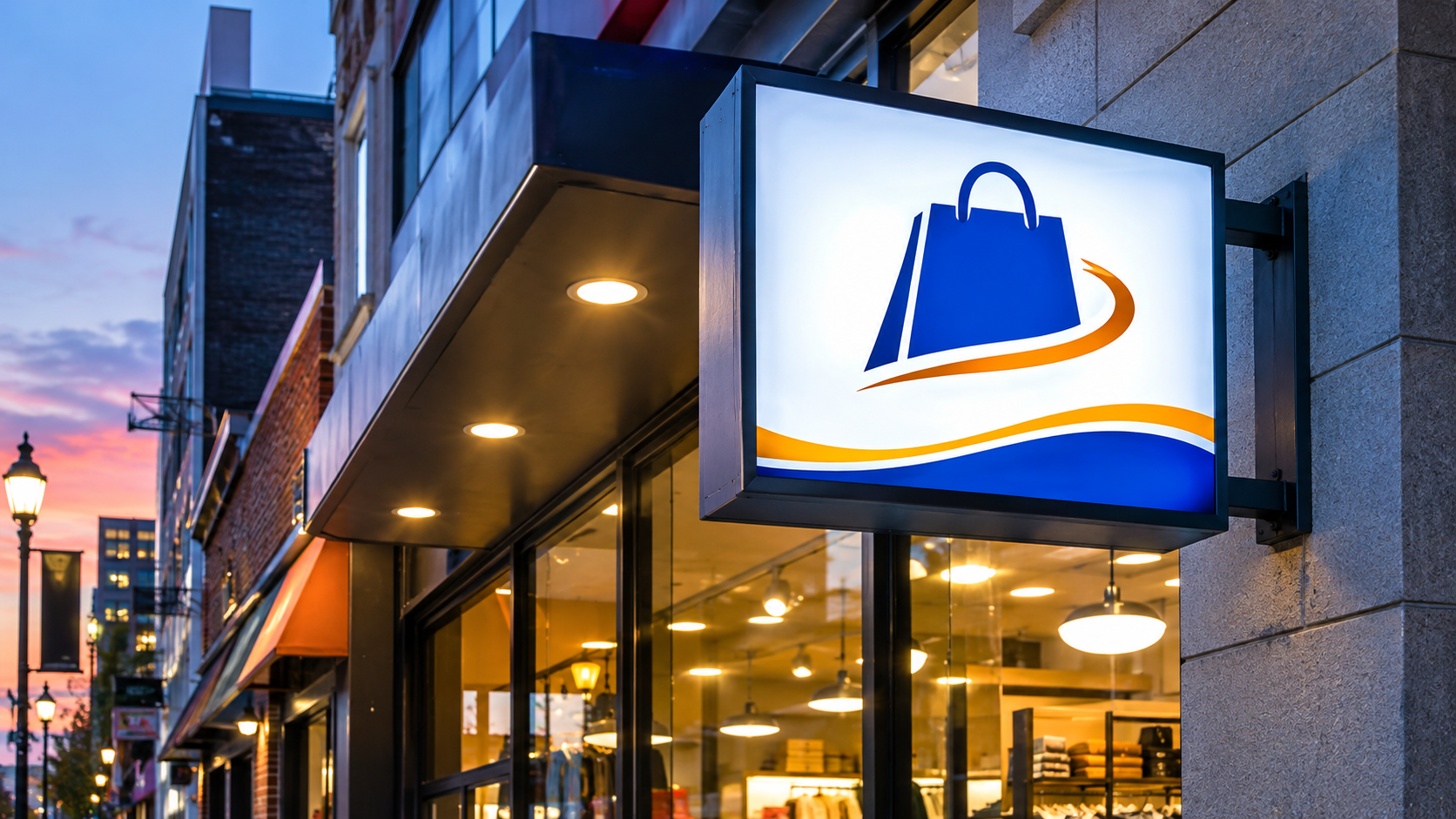
Outdoor storefront light box signs are designed for exterior business identification. Their specifications may include weather-resistant materials, durable sign faces, and suitable electrical protection.
How to Choose a Cost-Effective Light Box Sign for Your Brampton Business
Selecting the right light box sign involves balancing branding requirements, visibility, durability, and installation needs.
Businesses should begin by identifying the sign’s primary purpose. A storefront identification sign may require different dimensions and illumination than an indoor promotional display.
Choosing clear lettering, suitable materials, and an appropriate lighting system can help avoid unnecessary design complexity while maintaining a professional appearance.
It is also important to consider long-term performance rather than focusing only on initial production requirements. A well-designed light box sign with durable materials and efficient LED illumination can provide reliable visibility for years.
Why Professional Sign Planning Matters
Professional planning helps businesses identify the most suitable signage materials, dimensions, lighting technology, and mounting methods before production begins.
A detailed signage plan can also account for building characteristics, electrical access, and applicable local regulations.
In Brampton, certain exterior sign installations may require permits or approvals under local sign regulations. Reviewing these requirements during the planning stage can help prevent avoidable changes or installation delays.
Careful planning supports a smoother signage project while helping businesses achieve the desired appearance and functionality.
Which Businesses in Brampton Benefit from Custom Light Box Signs?
Custom light box signs are suitable for a wide range of commercial environments where visibility and branding are important.
- Retail Stores: Illuminated signs help attract attention and make storefronts easier to identify.
- Restaurants and Cafés: Light box signs improve visibility during evening operating hours.
- Shopping Plazas: Customized signage helps individual businesses stand out within multi-unit commercial properties.
- Medical and Dental Clinics: Clear illuminated signage supports convenient business identification.
- Beauty Salons and Spas: Attractive light box displays enhance storefront aesthetics and branding.
- Convenience Stores: Illuminated business signs provide visibility during extended operating hours.
- Corporate Offices: Professional signage strengthens building identification and brand recognition.
- Automotive Businesses: Durable illuminated signs help repair shops and service centres establish a recognizable exterior presence.
Why Choose Signs Depot Brampton for Custom Light Box Signs?
At Signs Depot Brampton, we understand that every business has different signage requirements. From storefront visibility to customized branding, selecting the right illuminated sign involves careful consideration of design, materials, and functionality.
Our custom signage solutions are focused on creating attractive and practical displays that complement different commercial environments. Whether you are exploring LED light box signs, illuminated cabinet signs, or other exterior signage options, we aim to help businesses find solutions suited to their branding and installation requirements.
By considering design quality, durability, and visibility, Signs Depot Brampton helps businesses explore signage options that create a professional and recognizable presence.
Conclusion
The cost of custom light box signs in Brampton depends on several factors, including sign dimensions, materials, LED lighting technology, design complexity, installation location, and electrical requirements.
Understanding these elements allows businesses to make informed decisions when selecting illuminated signage. While larger or more complex designs may involve additional manufacturing requirements, choosing suitable materials and efficient lighting can help support long-term value.
For businesses looking to enhance storefront visibility, custom light box signs provide an effective combination of illumination, branding, and professional appearance. Careful planning and appropriate material selection can help create signage that remains attractive and functional over time.
Frequently Asked Questions (FAQs)
1. What determines the cost of custom light box signs in Brampton?
The cost depends on factors such as sign size, materials, LED lighting components, design complexity, installation requirements, and electrical work.
2. Are LED light box signs more cost-effective than traditional illuminated signs?
LED light box signs can offer long-term operating advantages because LED technology generally consumes less energy and requires less frequent lamp replacement than traditional fluorescent lighting systems.
3. Does the size of a light box sign affect its cost?
Yes. Larger signs generally require additional materials, lighting components, and structural support, which can increase manufacturing requirements.
4. Are outdoor light box signs different from indoor signs?
Yes. Outdoor light box signs require suitable weather-resistant construction and electrical protection, while indoor signs are typically designed for more controlled environments.
5. Can light box signs be customized with business logos and colours?
Yes. Custom light box signs can incorporate logos, brand colours, graphics, lettering styles, and different shapes to match business branding.
6. Does installation affect the overall cost of light box signs?
Yes. Installation height, mounting conditions, accessibility, electrical requirements, and equipment needs can influence the overall project scope.
7. Do businesses in Brampton need permits for light box signs?
Some exterior light box signs may require permits or approvals depending on their size, location, design, and installation method. Businesses should review applicable City of Brampton sign regulations before installation.